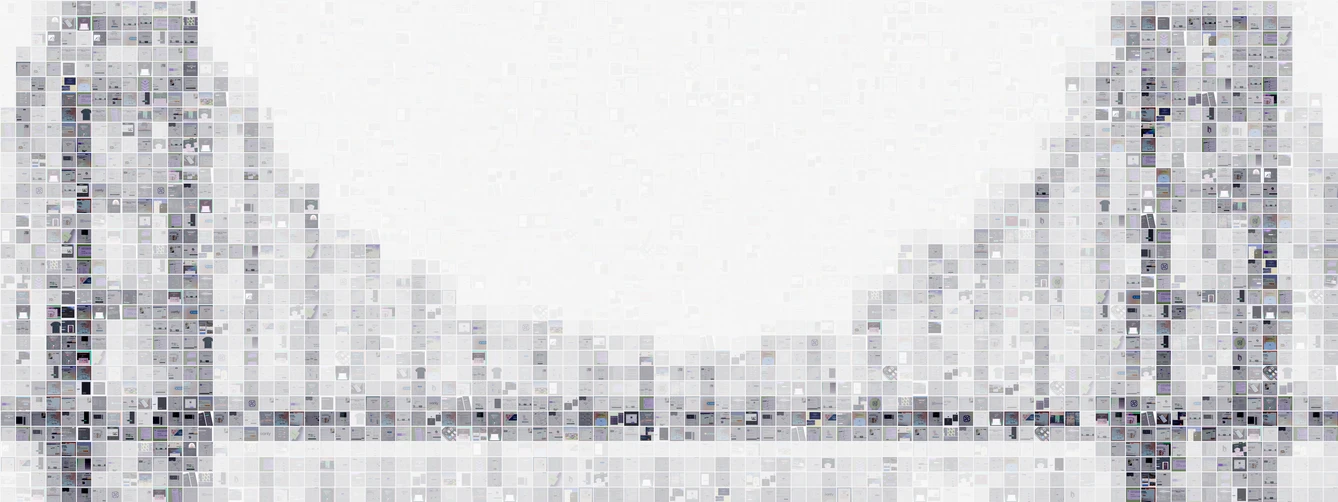
The Golden Gate Bridge drawn out of WeRoast designs

Brand identity design for B2B software companies

Weroast builds Signature Design Styles for B2B software and AI companies — logo, color, typography, and visual language from your positioning, not a template.

Brand Identity

A Signature Design Style built specifically for your B2B software company.

Requirements to refined identity — every direction explored, every decision grounded in your positioning and market.

Book a Call

What a Signature Design Style includes

Scoped on brief. Book a call to start.

  • Brand positioning requirements session — ICP, market, competitors, values, messaging
  • Visual direction exploration — multiple genuinely distinct directions, not variations on one theme
  • Three hero concept variations from the selected direction
  • Refinement into your locked Signature Design Style
  • Logo system — primary, secondary, and icon variants
  • Color system — primary, secondary, accent, and neutral tokens
  • Typography system — display, body, caption, and UI scales
  • Visual language rules — how the brand behaves across surfaces
  • Figma design system with all tokens documented
  • Brand guidelines PDF for team and vendor use

Brand work

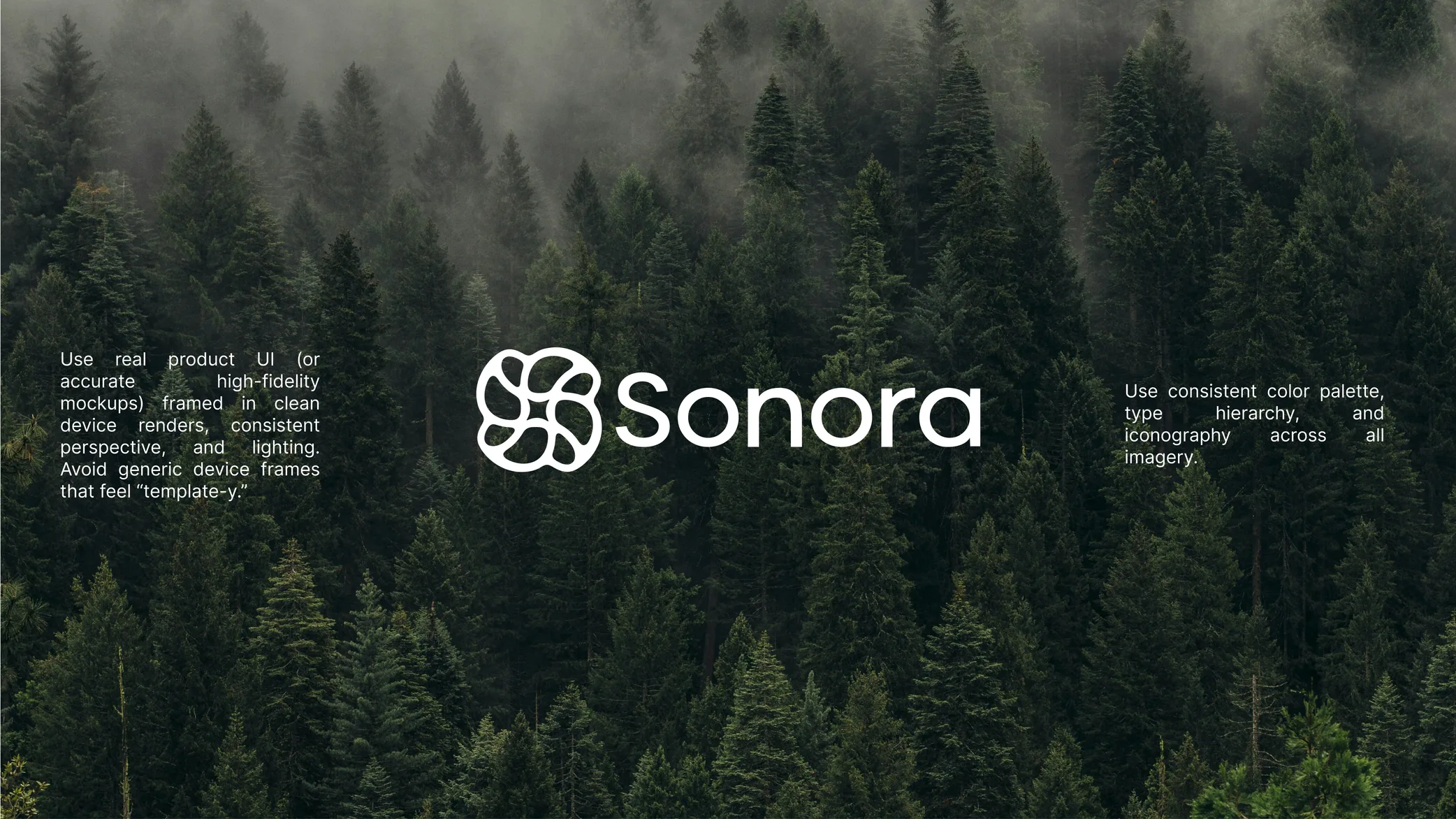
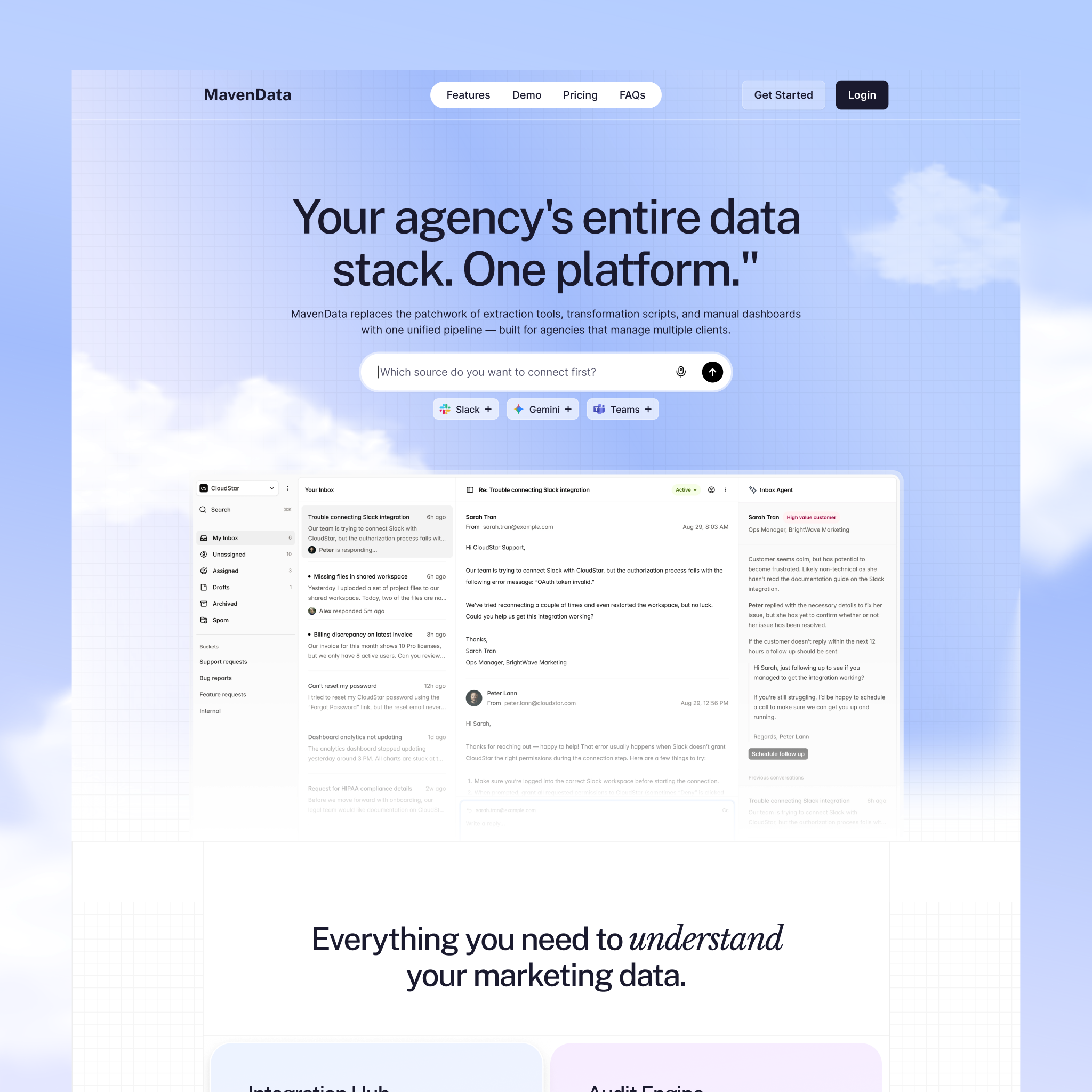
Sonora
2025 - 2026

Customer support platform by an ex-PM at Salesforce.

Website DesignBrand
View case study
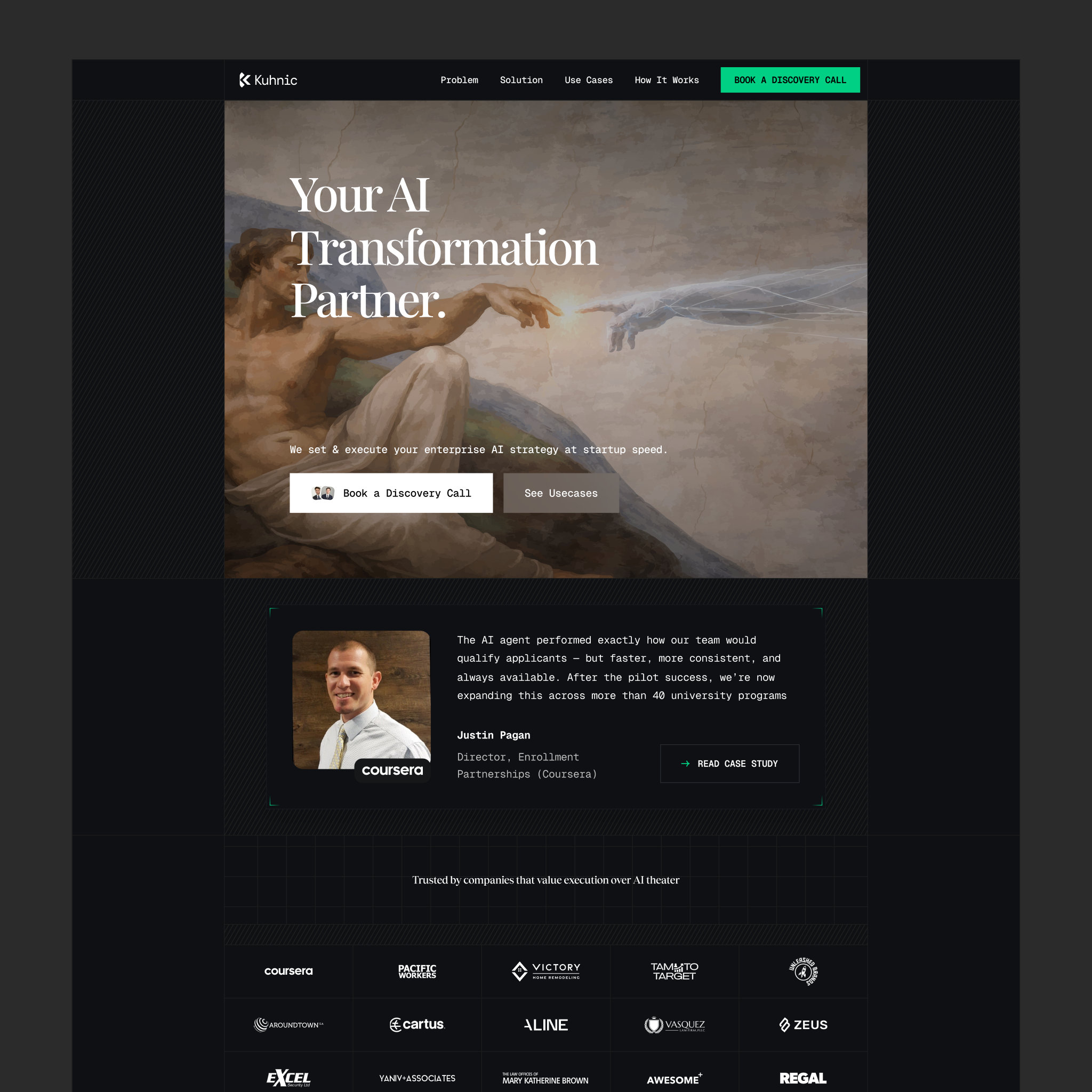
Kuhnic AI
2026

Global AI automation company.

Website DesignBrand
View case study
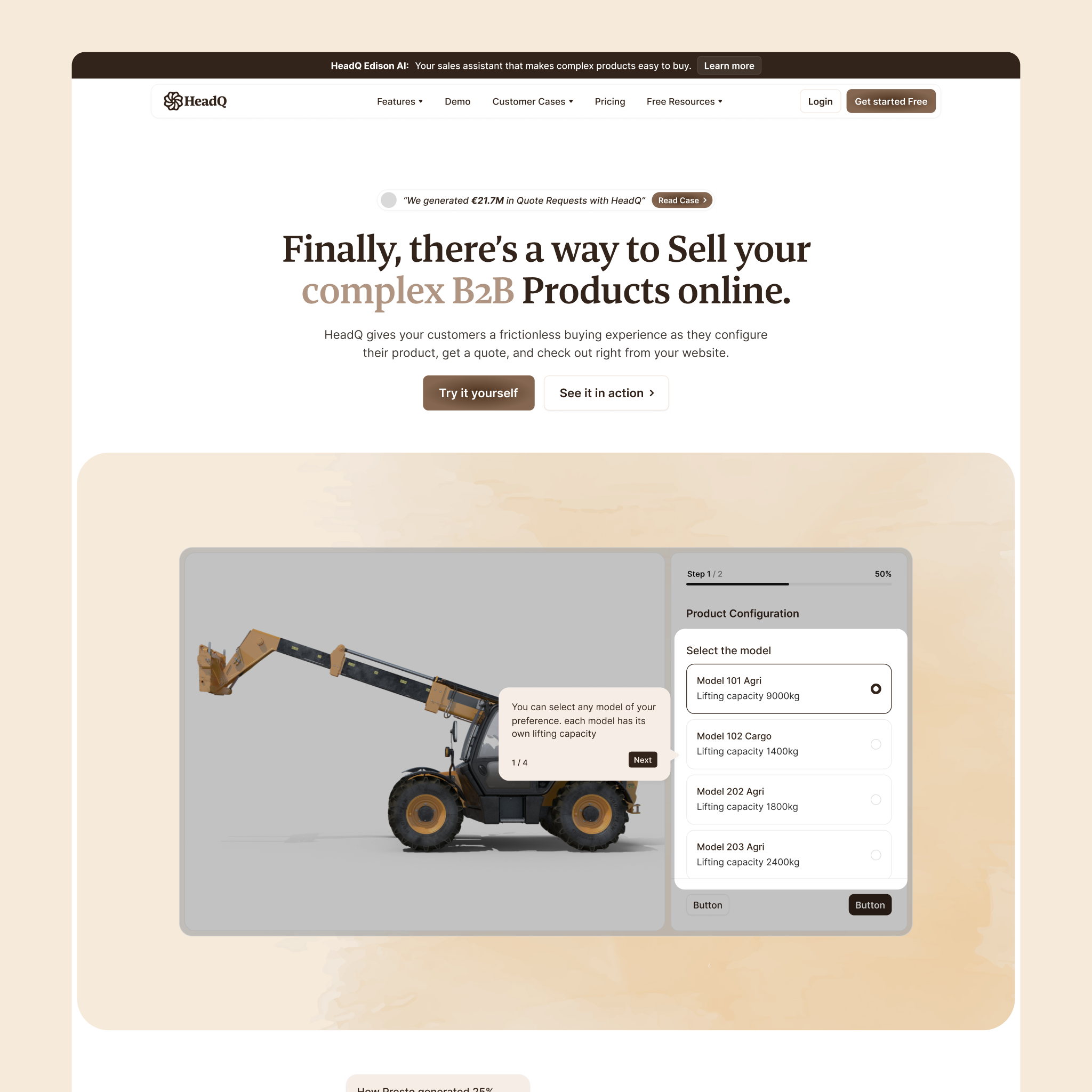
HeadQ
2026

SaaS for manufacturers based in Finland.

Website DesignBrand
View case study

How the Signature Design Style is built

Days 1–2

Requirements and research

Positioning, ICP, market, competitors, values, messaging. Everything that makes this company specific gets surfaced before a direction is explored.

Days 2–4

Direction exploration

Multiple genuinely distinct visual identity directions developed from the requirements session. Not variations on one theme — different approaches to how this company could look.

Days 4–5

Direction selection

Review each direction against the requirements. Select one based on fit with positioning, ICP credibility, and market differentiation — not personal taste alone.

Days 5–7

Hero variations

Three distinct applications of the selected direction to the primary brand surface — logo, typographic system, color application. Refine and select one.

Days 7–10

Full system build

Logo system, color system, typography system, visual language rules, component tokens. Every decision documented in Figma with the reasoning behind it.

Days 10–12
Output

Guidelines and handoff

Brand guidelines PDF, Figma design system, vendor-ready assets. Everything your team and partners need to apply the brand consistently without reopening discovery.

FAQ

Can’t find your answer?

Book a call and let’s talk

Book a Call

Or email us at hello@weroast.design

Yes. Brand identity — Signature Design Style, logo system, color, typography, visual language, Figma design system — is a standalone engagement. Many clients then bring the brand into a website sprint separately. We can scope both together or either independently depending on where the highest priority is.

Most branding agencies apply a process that produces a set of deliverables — logo, colors, fonts — without grounding every decision in specific strategic inputs about positioning, ICP, and market. The Signature Design Style process starts with requirements that surface exactly what makes this company specific before any visual direction is explored. The identity that comes out of that process looks like your company specifically, not like a competent application of branding conventions.

Everything. The Figma files, the design system, the brand guidelines, the exported assets. No ongoing retainer required. The brand is yours and can be extended by any designer working from the Figma system and guidelines.

Yes, and that is the recommended sequence for many clients. Build the Signature Design Style first so the identity is locked. Then extend it into the website design, product design, and sales enablement assets. Each surface extends the same visual logic rather than being designed independently and reconciled later. Ask about the combined scope on the discovery call.

Yes. A brand refresh — updating an existing identity to make it more specific, more distinctive, or more consistent — follows the same process as a new identity, with the existing brand as a starting point rather than a blank canvas. We surface what works, what does not, and what needs to be more specific before exploring new directions.